
Noor Chill Tech When your air conditioner starts acting up, it’s not just uncomfortable—it’s stressful. One day it’s keeping your home cool like it always has, and the next day you’re hearing strange noises, seeing warm air blow from the vents, or watching the system run constantly without ever getting the room temperature right. In those moments, you search for “AC repair near me” and hope you find someone who can fix the problem quickly, explain what went wrong in plain language, and not upsell you on work you don’t need.
The good news? Most common AC problems have clear signs, and a reputable repair technician will be able to diagnose them efficiently. The even better news? You can do a few simple checks right now—before the technician arrives—to narrow down the cause and protect your system from further damage.
This guide will walk you through what AC repair usually involves, what problems are most common, how to recognize quality service, what costs to expect, and what steps you can take immediately to stay safe and reduce downtime.
Introduction to AC Repair Near Me
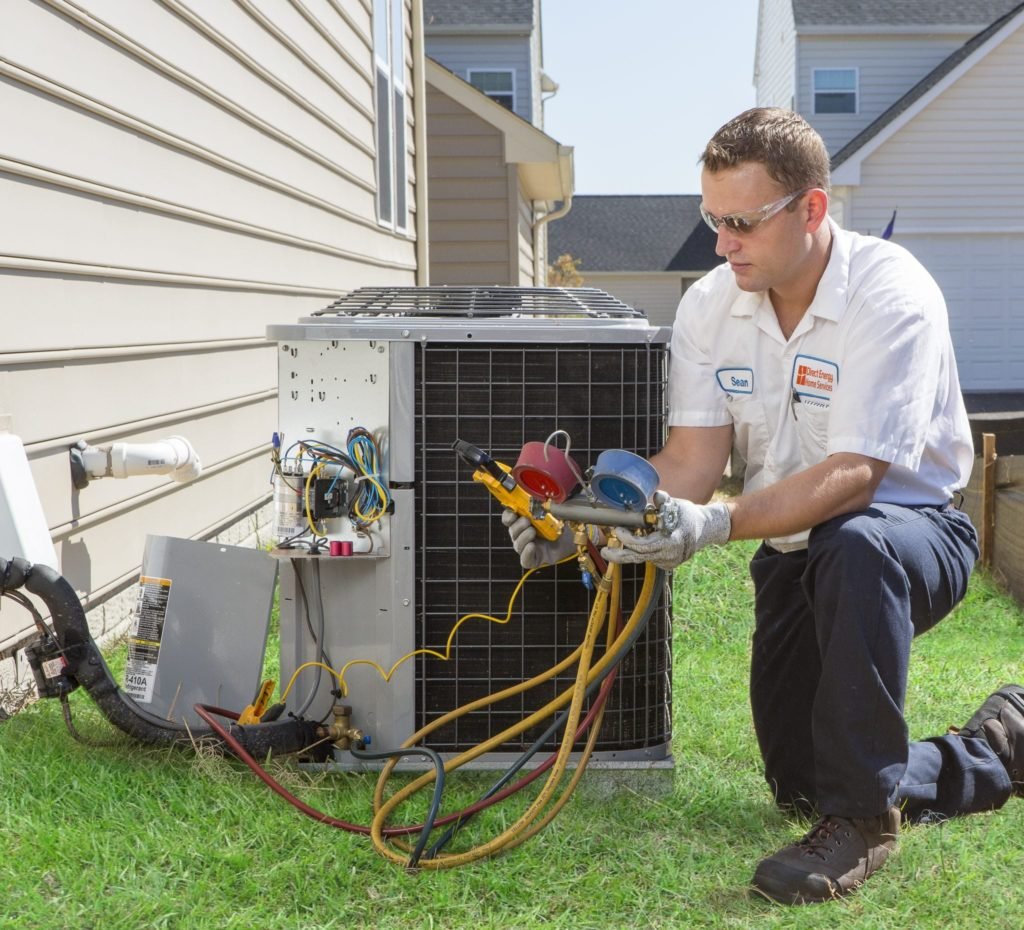
Searching for “AC repair near me” usually means one thing—you need help fast. Whether your air conditioner has stopped cooling, is making strange noises, or simply refuses to turn on, finding a trusted AC repair service nearby can save you time, money, and frustration.
Think of your air conditioner like the heart of your home’s comfort. When it’s working properly, you hardly notice it. But when it fails, especially during hot weather, everything feels uncomfortable. That’s why choosing a reliable AC repair company is essential.
In this guide, you’ll learn everything you need to know about AC repair services, common AC problems, maintenance tips, repair costs, and how to choose the best technician near you.
Why “Near Me” Matters More Than You Think
Searching for AC repair near me isn’t only about convenience, though that matters when temperatures are high. It also affects:
- Response time: If your system is down during heat waves, waiting days can be miserable.
- Fresh availability: Local companies often have techs already in the region, which can reduce scheduling delays.
- Real-world experience with your climate: The humidity levels and seasonal load in your area heavily influence how often different components fail.
- Faster parts sourcing: Many repairs rely on specific parts (capacitors, contactors, fan motors, run capacitors, refrigerant components). Local techs may be more likely to have common parts or access them quickly.
A good local repair company understands the urgency and will tell you realistic arrival windows and repair timelines.
Common Signs Your AC Needs Repair
Your air conditioner often gives warning signs before it completely breaks down.
Warm Air Instead of Cold
If your AC blows warm air, there could be refrigerant leaks, compressor problems, or thermostat issues.
Strange Noises
Grinding, buzzing, rattling, or squealing sounds usually indicate mechanical problems.
Weak Airflow
Poor airflow may be caused by clogged filters, damaged fans, or blocked ducts.
Bad Odors
Musty smells may indicate mold growth, while burning odors could signal electrical issues.
Water Leakage
Leaks around your indoor unit often point to blocked drain lines or frozen evaporator coils.
Most Common AC Problems
Professional AC technicians frequently repair the following issues:
Dirty Air Filters
Clogged filters reduce airflow and force your AC to work harder.
Low Refrigerant
Refrigerant leaks reduce cooling performance and increase electricity bills.
Faulty Compressor
The compressor circulates refrigerant throughout the system. If it fails, AC Repair Near Me cooling stops completely.
Frozen Evaporator Coils
Dirty filters or low refrigerant often cause ice buildup.
Thermostat Failure
Incorrect temperature readings can prevent your AC from operating properly.
Electrical Problems
Loose wiring, damaged capacitors, AC Repair Near Me or faulty circuit boards can shut down your system.
What a Technician Typically Does During AC Repair
When you book AC repair, a reputable technician isn’t just “trying parts until it works.” The best service follows a diagnostic process.
Here’s a realistic look at what many good repairs include:
Step 1: Interview + symptom confirmation
A technician will ask:
- When the problem started
- Whether cooling stopped suddenly or gradually
- What the thermostat is doing
- Any error codes
- What sounds or smells you’ve noticed
- Whether indoor airflow changed
If you can, have the thermostat set to the same way you normally use it so the technician can understand how it’s behaving.
Step 2: Visual inspection and airflow check
Technicians commonly check:
- air filter condition,
- indoor coil cleanliness,
- blower operation,
- condensate drain line status,
- refrigerant line insulation,
- and outdoor unit debris level.
Step 3: Electrical testing
Many failures are electrical: capacitors, contactors, fan motors, relays, AC Repair Near Me or sensor issues. A quality technician will test safely and confirm voltage and continuity where needed.
Step 4: Refrigerant and pressure checks (when applicable)
If the symptom points to refrigerant (warm air, inconsistent cooling, freezing), the technician may test:
- system pressures,
- temperature differences at specific points,
- and airflow/coil performance.
Important note: refrigerant problems should be handled carefully. AC Repair Near Me A responsible technician will follow local regulations and industry standards. Refrigerant should not be “topped off” without diagnosing the cause.
Step 5: Verify the repair and test performance
After replacing a component or clearing a fault, AC Repair Near Me the technician should:
- restore proper airflow,
- check temperature splits,
- confirm stable runtime,
- and ensure safe operation.
If someone only does a quick fix and never confirms performance, that’s a red flag.
Benefits of Professional AC Repair

While online tutorials make repairs look easy, air conditioning systems are complex.
Professional Technicians Provide:
- Accurate diagnosis
- Proper repair tools
- Genuine replacement parts
- Safe electrical work
- Warranty-backed services
Hiring professionals saves time and prevents costly mistakes.
Types of Air Conditioners We Repair
Experienced technicians can repair nearly every AC system.
Split Air Conditioners
The most common residential cooling system.
Window AC Units
Compact and affordable but still require regular maintenance.
Central Air Conditioning
Ideal for larger homes and commercial buildings.
Portable AC Units
Easy to move but still prone to compressor and drainage issues.
Inverter Air Conditioners
Energy-efficient systems requiring specialized expertise.
Do-It-Now Checks Before the Technician Arrives
While it’s smart to call a pro when you’re dealing with major AC symptoms, AC Repair Near Me there are a few things you can safely check that often prevent wasted time.
1) Check the thermostat settings and batteries
- Make sure it’s on Cool
- Confirm the temperature setpoint is lower than the room temperature
- If it’s a battery-powered unit, replace batteries and retest
2) Replace or inspect the air filter
A dirty filter can restrict airflow and cause:
- poor cooling,
- coil icing,
- higher energy bills,
- and premature equipment wear.
If your filter is visibly clogged or hasn’t been changed in months (or seasons), replace it and re-check the system.
3) Check circuit breaker switches
Sometimes the system shuts down due to a tripped breaker. If you see a tripped breaker, flip it back if you’re comfortable doing so.
If it trips again immediately, that’s a strong sign of an electrical fault—stop and call.
4) Inspect the outdoor unit area
If the outdoor unit is blocked by leaves, debris, or overgrown plants, clear away what you can safely reach. Don’t remove panels or mess with electrical wiring—just remove obvious obstructions and give it space to breathe.
What AC Repair Costs Usually Look Like
Pricing varies based on your system type, the part needed, labor rates, and how complex the diagnostic is. Still, homeowners want a ballpark.
Here are common cost drivers:
- Diagnostic fee: Many companies charge for diagnosis, though some apply it to the final bill if you proceed with the repair.
- Parts cost: Capacitors are often less expensive than compressor or motor replacements.
- Labor time: A quick fix like cleaning coils may be faster than troubleshooting an electrical failure.
- System age and model: Older units may require harder-to-find parts.
- Refrigerant-related work: Refrigerant repairs can cost more, especially if there’s a leak involved.
To help you budget, think in terms of:
- simple fixes (filter, capacitor, minor cleaning),
- moderate repairs (fan motors, relays, coil cleanouts with airflow issues),
- and major repairs (compressor replacement or complex refrigerant diagnosis).
A reputable company should give you:
- a clear explanation,
- itemized pricing (parts + labor),
- and options if multiple repair routes are possible.
Emergency AC Repair Services
Sometimes your AC breaks down at the worst possible time.
Emergency AC repair services typically cover:
- Complete system failure
- Refrigerant leaks
- Electrical burning smells
- Water flooding
- Compressor failure
- Thermostat malfunction
Many companies now provide 24/7 emergency AC repair.
How to Choose a Reliable “AC Repair Near Me” Company
Not all AC repair services are equal. Here’s how to spot the good ones quickly.
1) They communicate clearly
Good service looks like:
- explaining what they found,
- showing you failed parts (if applicable),
- answering questions without rushing you,
- and providing a plan of action with expected outcomes.
If a company is vague or avoids questions, that’s a warning sign.
2) They don’t pressure you into unnecessary repairs
Every system needs maintenance at some point. But quality technicians should be able to separate:
- urgent repair now vs.
- recommendation for the future.
You should feel informed—not trapped.
3) They have proper licensing, insurance, and experience
Ask about:
- technician certification,
- company licensing,
- insurance coverage,
- and how they handle warranty on parts and labor.
4) They offer transparent estimates
Look for:
- written estimates,
- clear breakdowns,
- and consistent follow-through.
If you only get a verbal guess, you may face surprises later.
5) They diagnose before replacing parts
While some repairs are “obvious,” most problems deserve a proper diagnostic. If someone says “you need a new compressor” without testing, be cautious.
6) They respect your time
A professional business:
- confirms appointments,
- arrives within a reasonable window,
- and keeps you updated when schedules change.
Maintenance That Prevents Most AC Repairs
It’s easier and cheaper to maintain than to repair. If you want fewer breakdowns, focus on the most impactful habits.
Replace filters on schedule
A clean filter improves airflow, protects the coil, and helps your system cool efficiently.
Keep indoor and outdoor coils clean (within reason)
- Outdoor units need debris clearance.
- Indoor coils require professional cleaning if they’re heavily dirty, especially if cooling performance drops.
Schedule seasonal tune-ups
A tune-up often includes checking:
- electrical components,
- airflow,
- refrigerant conditions (as appropriate),
- drainage,
- thermostat calibration,
- and overall system performance.
Watch for warning signs early
Don’t wait until the AC stops entirely. If you notice weak airflow, odd sounds, or frequent cycling, address it early.
When You Should Consider Replacing the AC Instead of Repairing
Sometimes repair is the best move. Other times, replacement can be smarter—especially when repairs become frequent.
Consider discussing replacement if:
- your system is very old,
- you’re seeing repeated failures,
- repairs are becoming more expensive,
- and the unit struggles to cool efficiently even after multiple fixes.
A good technician won’t automatically push replacement. Instead, they’ll help you weigh:
- repair costs vs. future reliability,
- efficiency upgrades,
- comfort improvements,
- and long-term value.
DIY vs Professional AC Repair
Many homeowners consider repairing their AC themselves.
DIY Tasks
- Cleaning filters
- Removing outdoor debris
- Checking thermostat batteries
Professional Repairs
- Refrigerant handling
- Compressor replacement
- Electrical repairs
- Motor replacement
- Leak detection
Attempting complex repairs without proper knowledge may cause additional damage.
Why Local AC Repair Services Are Better
Choosing a nearby repair company offers many benefits.
Quick Arrival
Local technicians reach your location faster.
Knowledge of Local Weather
They understand the demands your cooling system faces.
Ongoing Support
It’s easier to schedule future maintenance with a nearby company.
Better Reputation
Local businesses depend on customer satisfaction and referrals.
Conclusion
Finding the right AC repair near me doesn’t have to be difficult. A trusted local technician can diagnose problems quickly, perform reliable repairs, and help keep your air conditioner running efficiently for years. Regular maintenance, timely repairs, and choosing experienced professionals are the best ways to avoid costly breakdowns and enjoy consistent comfort.
The next time your AC struggles to cool your home, don’t wait until the problem gets worse. Prompt professional service can restore comfort, improve energy efficiency, and save you money in the long run.
Frequently Asked Questions (FAQs)
1. How quickly can an AC repair technician arrive?
Most local AC repair companies offer same-day service, and many provide 24/7 emergency support.
2. Why is my AC running but not cooling?
Common causes include dirty air filters, low refrigerant, frozen coils, thermostat issues, or compressor problems.
3. How often should I service my air conditioner?
It is recommended to schedule professional AC servicing at least once a year, or twice a year in hotter climates.
4. Is it better to repair or replace an old AC unit?
If the repair cost is high and the unit is over 10–15 years old, replacement may be more cost-effective.
5. How can I reduce future AC repair costs?
Regular maintenance, timely filter replacement, cleaning the outdoor unit, and addressing small issues early can significantly reduce repair expenses.